Mailing ListForum
TwitterFacebook
LinkedIn
 
City Places for City People
Interactions vs. Transactions

Debra Efroymson
Dhaka, 2010

I have a confession to make. I have not been doing my part as a consumer to stimulate the economy. Most of my free time I spend reading books, visiting family members, or at the lake near my home and office. (My dogs, at least, make their contribution by providing some organic fertilizer to the local plant life, though of course fertilizer is far more valuable, economically speaking, when it is chemical and store-bought.)

In the morning I walk my dogs at the lake; most days I also sit and chat a long while, often with an elderly gentleman. He is retired so perhaps we can forgive him: recently he made the shocking confession that he almost never shops for himself because he already has everything he needs (!). Perhaps if he spent less time outdoors among friends and more time watching TV, he would be more aware of his duty to chase pleasure through endless consumption; he might be less happy, but the economy would be better off, and we all know which is more important.

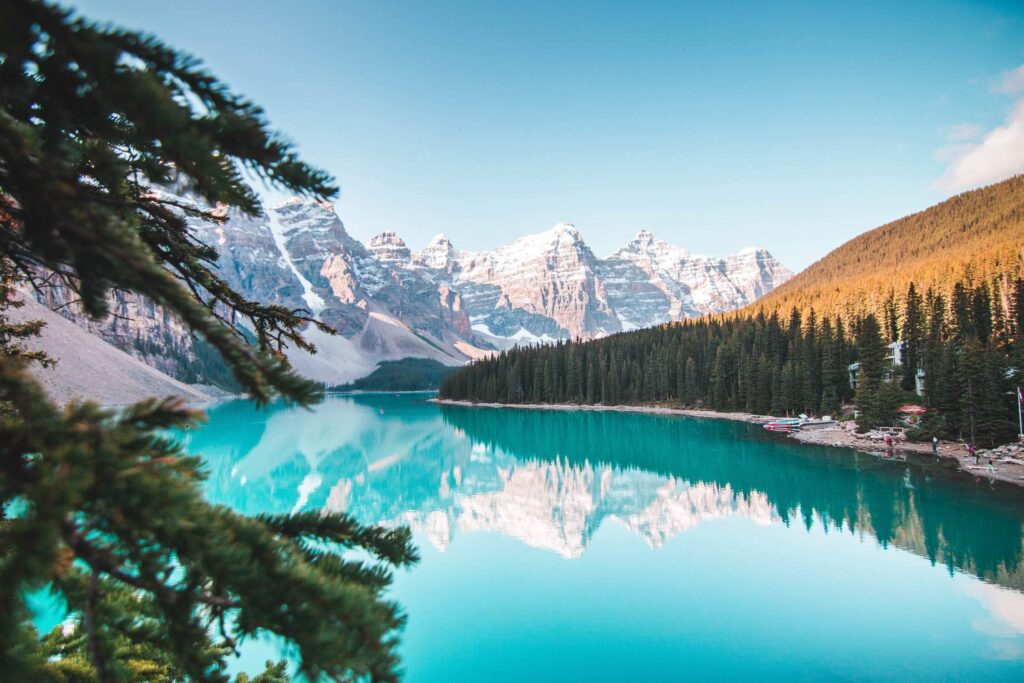
The lake itself is an example of gross economic inefficiency: housing companies would have made a fortune if this segment of the former Dhaka canal system had been filled in and developed, as has happened to most of the former "lakes" throughout the city. Instead of more luxury housing and shopping malls, the space is used by people for exercising and socializing. Well, we all know that "health is wealth" is just an expression and that we will happily dispense with the former in exchange for more of the latter.

The economic activity that does happen here is too marginal to count. There are, for one, all the beggars. Theirs is, in a sense, a profession: they remind the rich of the virtue of parting, however reluctantly, with a bit of the wealth they supposedly labour so hard to produce. Then there are the sellers of peanuts and tea and fresh produce and eggs and fish and live chickens, the men who check people's blood pressure and cholesterol, and so on. While at one level it looks like a lot of economic activity, it is of course all hopelessly trivial compared to what could have been if the lake had been filled in.

Not being a trained economist, I fail to understand how more luxury apartments and shops would benefit the poor, but we all know that economic growth is the only way to resolve poverty, so let's just chalk that up to my lack of a proper education in the principles of economics.

I also fail to see how banning cycle rickshaws to make more room for cars, as the government repeatedly tries to do, helps the former rickshaw pullers now thrown out of work, but again, we know that professional economists must earn all that money because they understand what is a mystery to the rest of us. Rickshaws generate only the slightest ripple in GDP while cars make a nice big bump; obviously, then, cars are better. Walking is the worst of all: unless you're really hard on your shoes, you contribute nothing! Maybe that's why so little effort is made to encourage or even enable walking. (In its infinite wisdom, the government has recently announced that anyone crossing at street level where there is a pedestrian overpass available will be put in jail for 24 hours.)

My elderly friend and I agree that you cannot put a price tag on "our" lake. Of course we also know that what has no price tag has no value; this enjoyment we gain is ephemeral, of a less weighty and considerable sort than we would gain from fulfilling our destiny as consumers.

Putting aside sarcasm for a moment, I see the world the economists urge us to create--a world of shopping malls, parking lots and highways, a world of transactions rather than interactions--and I do not like it. I confess I prefer a different vision, one focused on people rather than possessions, on relationships rather than consumption. Of course I'd like to see a lot less poverty, but it seems to me the problem isn't that there isn't enough to go around but rather that the rich take too much.

Jobs are of course vital, but why do we believe they can only be generated through polluting industry and often random, senseless consumerism? Why do we trust people who obviously speak for the big corporations, not for small independent businesses or the "average" individual?

Any self-respecting economist would be shocked at my ideas, but I'd rather see a wealth of public places like the lake. I'd rather see bicycles and pedestrians and rickshaws than cars. I'd like to see an abundance of hawkers, a thriving "informal" economy. I'd like to see policies that redistribute wealth downward. And I'd really like to see concern for others rather than selfishness be regarded as the highest virtue.

But I ask you, given their vision of prosperity, do you want to leave important decisions about the shape of our cities in the hands of the economists and the policymakers who listen to them?

Debra Efroymson
Photos by Maruf Rahman