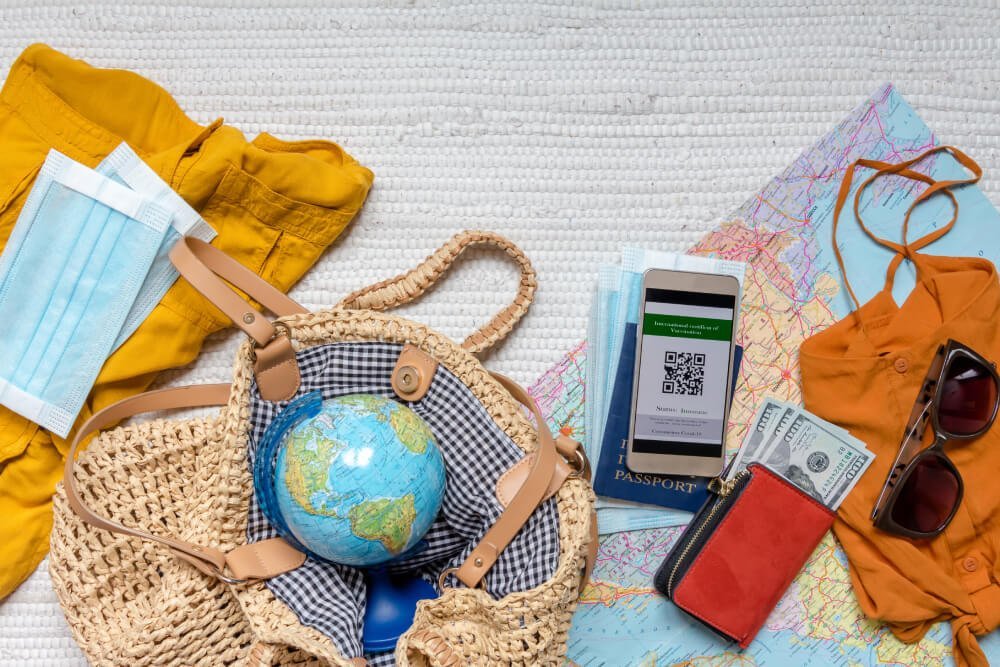
A packing list for Europe in winter comes down to layers rather than bulk: a warm, water-resistant coat, two or three thin base layers, a couple of warm sweaters, waterproof shoes you can walk in all day, and a hat, scarf and gloves. Many of the big cities travelers visit in winter are chilly rather than frozen, and you'll move between cold streets and warm museums, trains and restaurants, so you want clothes you can add and remove easily. Below is a full checklist, typical winter temperatures for four popular cities, and the documents and electrical details to sort out before you go.
How cold is Europe in winter?
It varies a lot by region. Western and southern cities are milder; Central Europe sits near freezing at night. These January averages are 1991 to 2020 climate normals for single weather stations, as compiled on Wikipedia's climate pages from national weather service and NOAA data:
| City | Average January high | Average January low |
|---|---|---|
| London (Kew Gardens) | 8.6 °C (47.5 °F) | 2.0 °C (35.6 °F) |
| Paris (Montsouris) | 7.6 °C (45.7 °F) | 3.2 °C (37.8 °F) |
| Vienna (Innere Stadt) | 4.2 °C (39.6 °F) | -0.1 °C (31.8 °F) |
| Rome (Ciampino) | 12.0 °C (53.6 °F) | 3.4 °C (38.1 °F) |
Averages hide cold snaps, wind and rain, which make it feel colder than the number suggests. Mountain areas and northern and eastern Europe are considerably colder, so if your trip includes the Alps or Scandinavia, pack for real winter conditions. Check the forecast for each stop a few days before you leave.
The layering system
Pack in three layers so one set of clothes works from a cold street to a heated museum:
- Base layer: thin thermal or merino wool tops and leggings. They add warmth without bulk and can be worn more than once between washes.
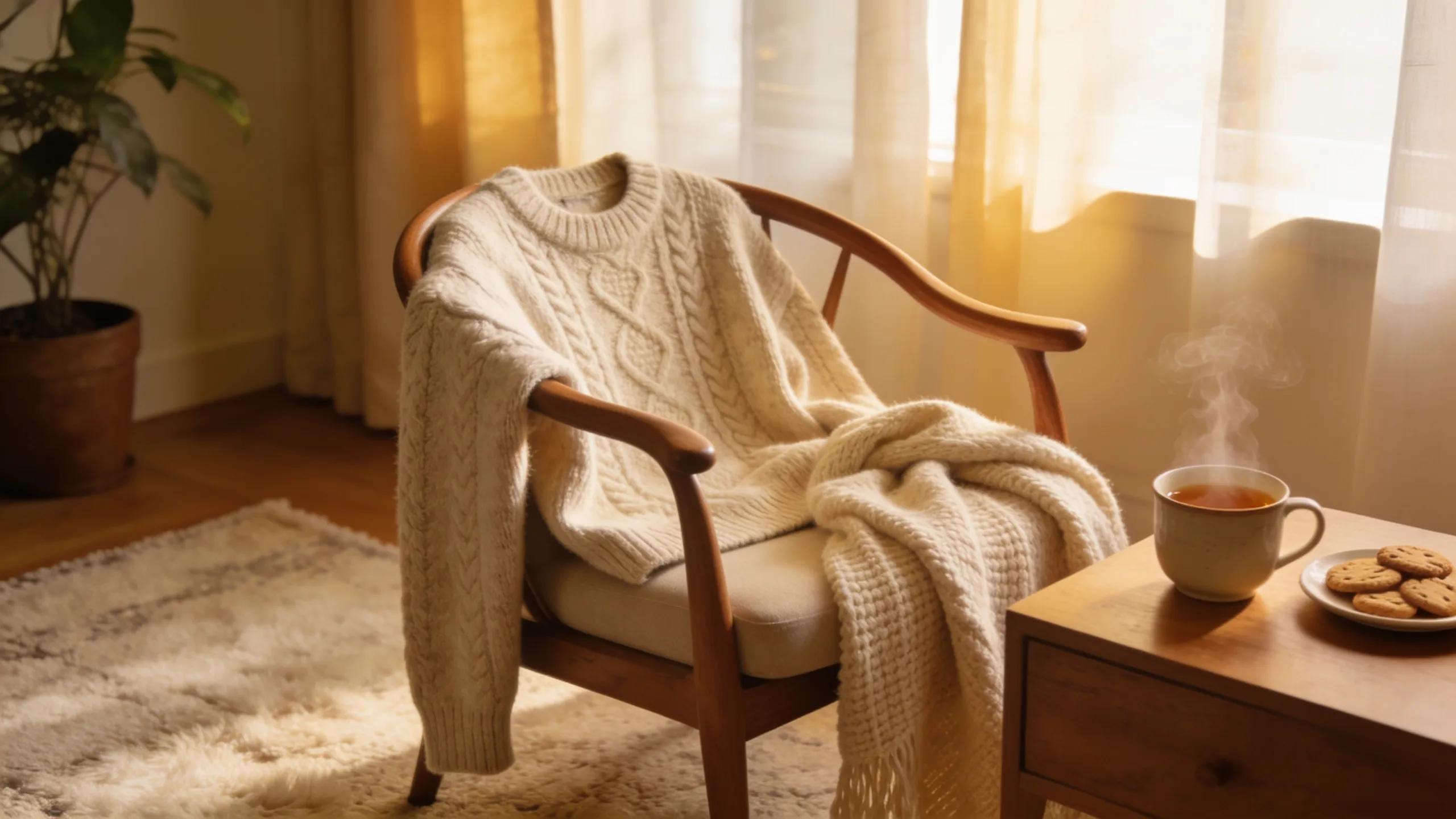
- Mid layer: sweaters, a fleece or a light down vest. Wool and cashmere sweaters double as outfits on their own.
- Outer layer: one coat that blocks wind and rain. A knee- or thigh-length insulated coat with a hood covers most city trips. Add a packable down jacket underneath for colder destinations.
Clothing checklist (for 7 to 10 days)
- 1 warm, water-resistant winter coat (wear it on the plane)
- 1 packable down jacket or vest for extra warmth
- 2 to 3 thermal base-layer tops
- 1 to 2 pairs of thermal leggings or long underwear
- 3 to 4 sweaters or knit tops
- 3 to 4 long-sleeve tops or shirts
- 2 pairs of trousers or jeans (dark colors hide wet-street splashes)
- 1 dressier outfit for dinners, concerts or the opera
- Wool or thermal socks, one pair per day or wash midweek
- Underwear and sleepwear
- Warm hat (beanie)
- Scarf, which also works as a wrap in drafty churches
- Gloves, ideally touchscreen-compatible
- Swimsuit if your hotel has a spa or you plan to visit thermal baths
Shoes
Shoes matter more than anything else in a European winter, because most city sightseeing is on foot over cobblestones and wet pavement.
- Waterproof walking boots with grippy soles, broken in before the trip
- A second pair of comfortable shoes so the first pair can dry out
- Insulated snow boots only if you're heading to mountains or snowy regions
- Slippers or warm socks for chilly rental apartments
Accessories and small gear
- Compact umbrella
- Crossbody bag or anti-theft day pack that fits under your coat
- Reusable water bottle
- Hand warmers for outdoor Christmas markets or long walking tours
- Sunglasses
- Lip balm, rich moisturizer and hand cream for cold, dry air
- Sunscreen if you'll be at altitude
- Tissues and a small pack of wet wipes
Electronics and power
- Phone and charger
- Power bank, since you'll likely use maps and tickets on your phone all day
- Plug adapter for every country on your route
- Headphones
- E-reader or tablet for long train rides
Plug shapes differ across Europe. Much of continental Europe uses round-pin sockets (Types E and F), the UK and Ireland use Type G, Italy uses Type L and Switzerland uses Type J, so a universal adapter is the simplest option for a multi-country trip. Europe runs at 230 volts, about double the U.S. 120 volts. Most phone and laptop chargers are labeled 100-240V and work fine; single-voltage appliances such as many hair dryers and straighteners don't, so check the label before you pack them.
Toiletries and health
- Travel-size toiletries for your carry-on
- Prescription medicines in your carry-on, with a few spare days' supply
- Cold and flu remedies, pain reliever and throat lozenges
- Small first aid kit with blister plasters
- Hand sanitizer
- Copies of prescriptions, using generic drug names
Documents and money
- Passport, valid well beyond your return date
- Any visa or travel authorization your nationality requires
- Rail passes, train tickets and museum bookings saved offline
- Travel insurance details
- Credit and debit cards, plus a backup card stored separately
- A small amount of euros, or the local currency if you're visiting a country outside the eurozone
New EU border checks
If you aren't an EU citizen, expect a new step at the border. The EU's Entry/Exit System (EES) began a gradual rollout on October 12, 2025 and became fully operational on April 10, 2026. It records non-EU travelers' passport details, a facial image and (for those 12 and over) fingerprints at the Schengen external border, replacing manual passport stamps. There's nothing to do in advance, but allow extra time at border control on your first entry.
A separate pre-travel authorization, ETIAS, has been announced for visa-exempt visitors, but it has been delayed several times, no start date has been set, and it is not in operation (the EU says it will announce the date several months before launch). Don't rely on unofficial websites that charge fees for applications. Check the official EU travel site before booking.
Packing tips for a winter trip
- Wear your bulkiest items in transit: coat, boots and a sweater free up a lot of suitcase space.
- Stick to one color palette so every sweater works with every pair of trousers and your coat.
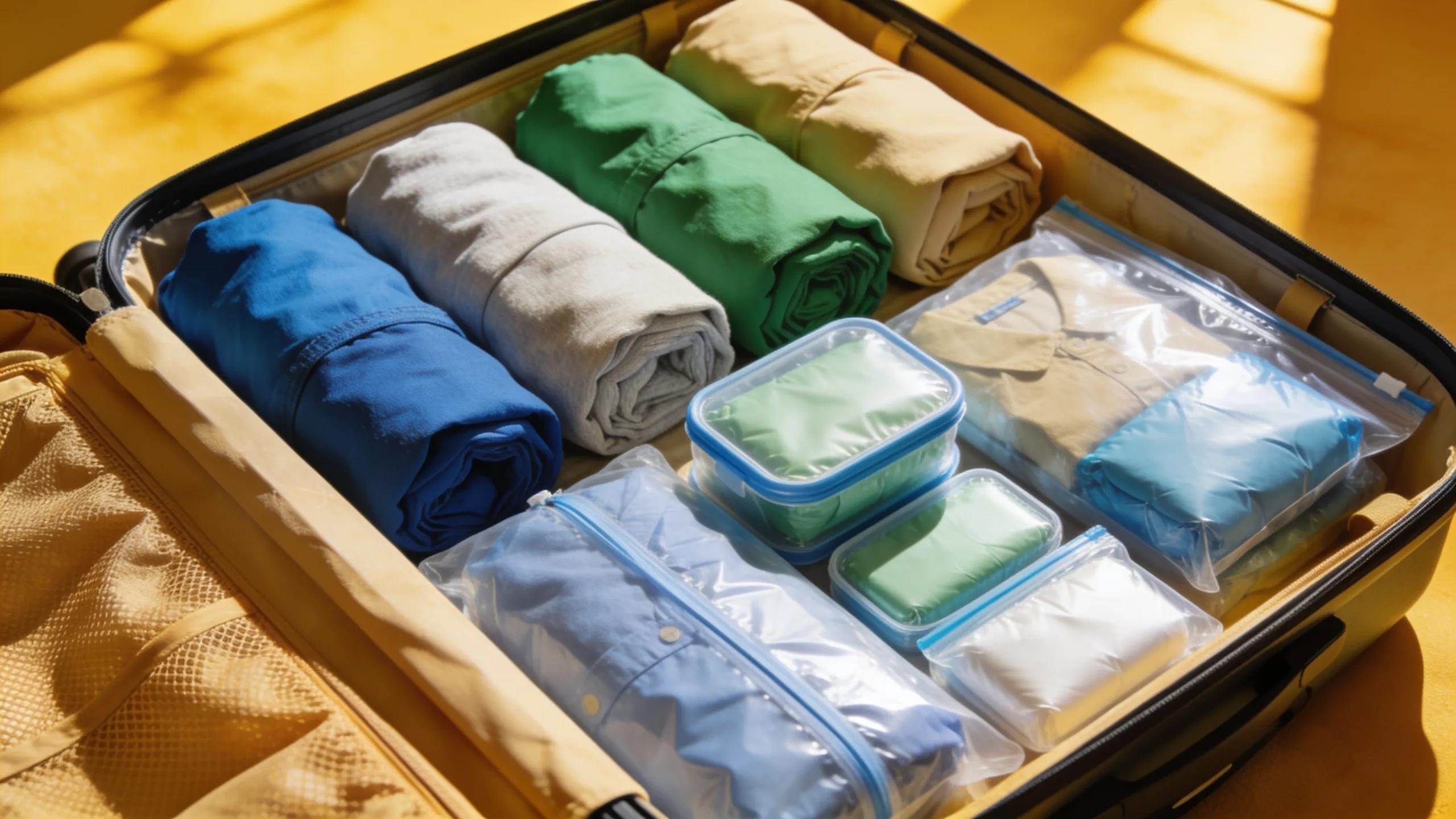
- Use compression packing cubes for sweaters and down layers.
- Favor wool or synthetic base layers and socks, which can be worn more than once between washes.
- Leave space for purchases, especially if you plan to shop at Christmas markets.
- Plan for laundry on longer trips instead of packing more.
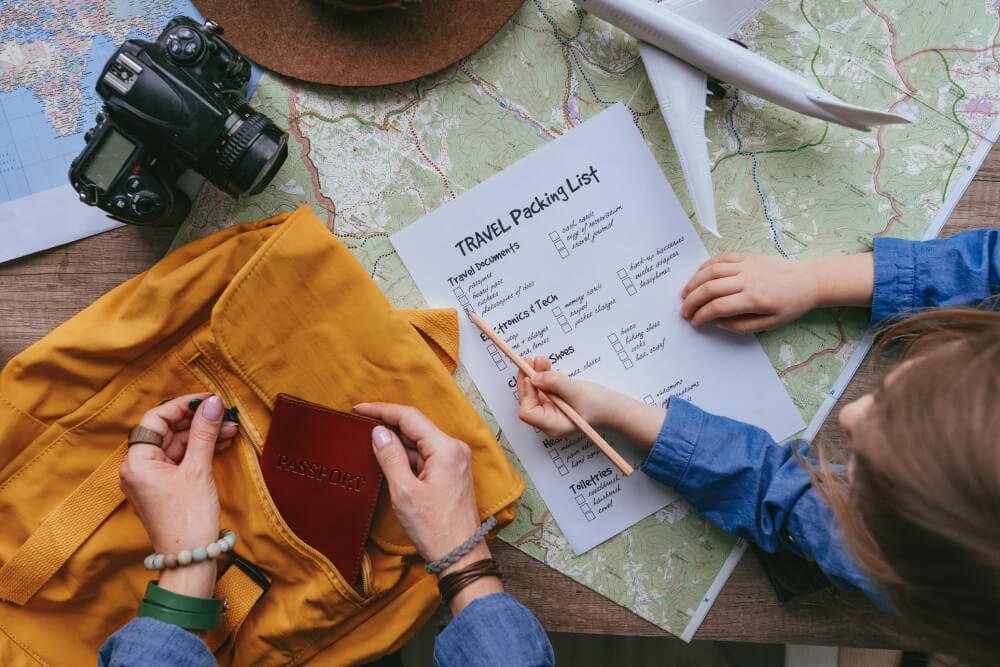
Quick printable checklist
- Coat, packable down layer, base layers, sweaters, trousers
- Hat, scarf, gloves, wool socks
- Waterproof walking boots plus a second pair of shoes
- Umbrella, day bag, water bottle, hand warmers
- Phone, power bank, universal adapter
- Medicines, moisturizer, lip balm, first aid kit
- Passport, travel authorization if needed, insurance, cards, some cash
Entry rules and border procedures can change, so confirm current requirements with official government sources shortly before you travel.
Sources: Climate of Paris (Météo-France normals); France Diplomatie: the Entry/Exit System; AFAR: ETIAS delay.