How to Care for Wool Sweaters: Essential Washing, Drying, and Storage Tips
Caring for wool sweaters is essential for maintaining their appearance and longevity. These natural fibers offer warmth and comfort, making them a staple in many wardrobes. However, without proper care, wool can shrink, lose shape, or develop damage from pests. This guide will provide you with practical tips on how to wash, dry, and store wool sweaters effectively. You’ll learn about the best washing techniques, drying methods, and storage solutions to keep your sweaters in pristine condition. Additionally, we will explore how proper wool care can contribute to a comfortable travel wardrobe, ensuring you’re prepared for all your excursions.
What Are the Best Wool Sweater Washing Tips to Prevent Shrinkage?
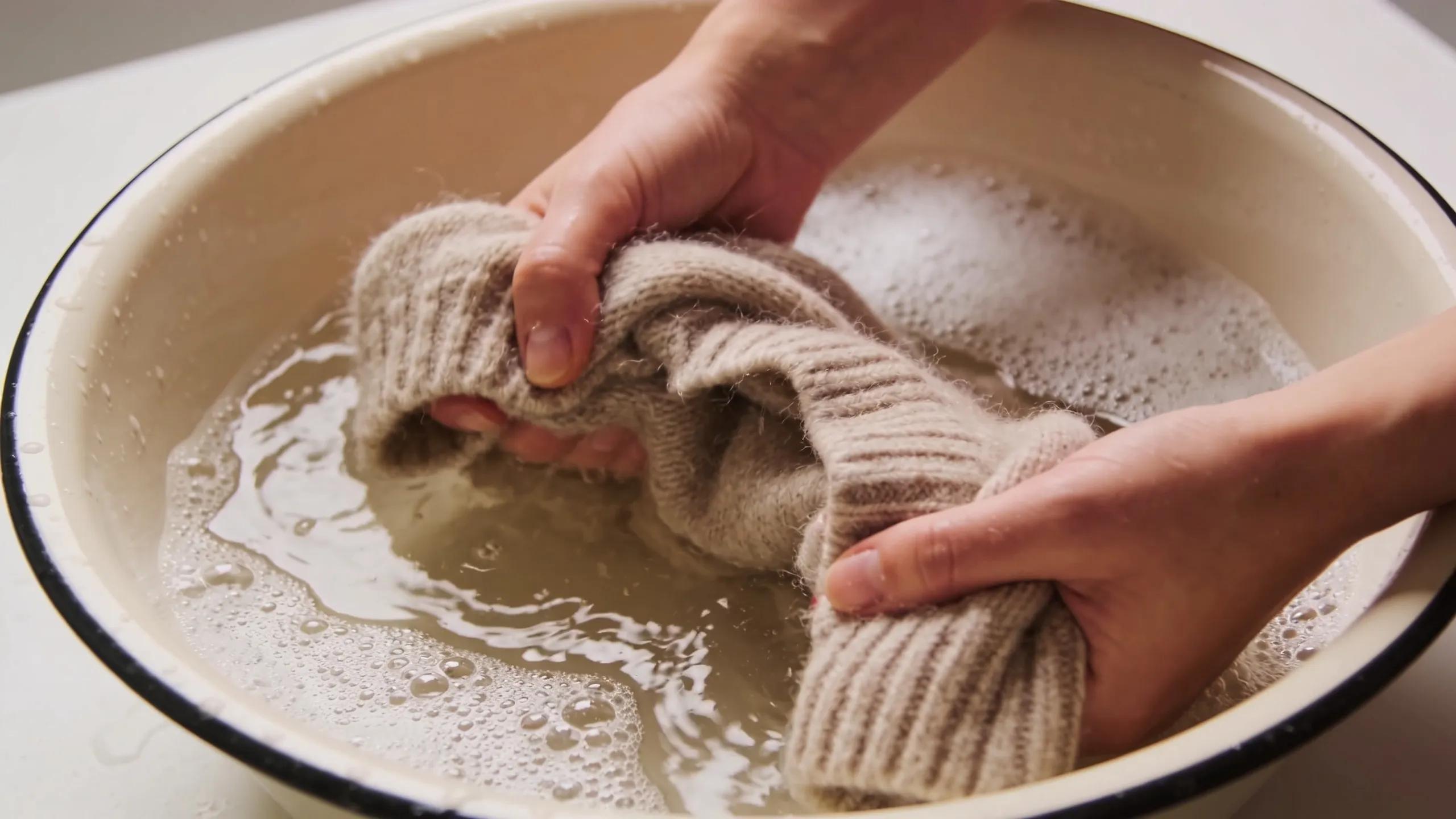
Washing wool sweaters requires a gentle approach to prevent shrinkage and preserve their quality. To ensure your sweaters maintain their shape and texture, use mild detergents specifically designed for wool. Hand washing is the preferred method, as it allows you to control the agitation and temperature. If machine washing is necessary, select the delicate cycle and cold water settings. This will minimize the risk of felting and maintain the integrity of the wool fibers.
Which Natural Wool Care Methods Safely Clean Your Sweaters?
Natural wool care methods, such as using eco-friendly detergents, can gently clean without compromising the fibers. Soaking your wool sweater in lukewarm water mixed with a small amount of natural detergent lets dirt and oils break down. Rinsing thoroughly in cool water ensures that no soap residue remains. Additionally, alternatives like white vinegar can be used to soften fabrics and remove odors without harsh chemicals.
How Does Water Temperature Affect Wool Sweater Washing?
Water temperature plays a crucial role in washing wool sweaters. Cold water is always recommended as it helps retain the wool’s original shape, while warmer temperatures can cause shrinkage. Higher temperatures raise the risk of felting, which occurs when the scales on wool fibers entangle and compress. To maintain your sweater’s integrity, remember to choose the appropriate temperature according to the care label.
What Is the Best Way to Dry Wool Clothes Without Damage?
Drying wool clothes requires careful techniques to avoid damage. Air drying is the recommended method to prevent shrinkage and distortion. Place your sweater flat on a clean, dry towel to absorb excess water, then reshape it gently to its original form. Avoid hanging wool sweaters, as this can stretch the fabric and alter its shape over time.
Why Should You Avoid Machine Drying Wool Sweaters?
Machine drying wool sweaters can be detrimental due to the high heat and tumbling action involved. These processes can lead to severe shrinkage and changes in texture. The risk of felting increases significantly when wool is exposed to the conditions created by conventional dryers. Therefore, always opt for air drying to ensure the longevity of your garments.
Which Techniques Help Wool Sweaters Dry Properly and Maintain Shape?
To ensure wool sweaters dry properly, utilize flat drying techniques. Place the sweater on a clean, dry towel and roll it up to remove excess water without wringing. Afterward, lay the sweater flat on a dry surface away from direct sunlight or heat sources. Patting the sweater with towels can help absorb more moisture while maintaining its shape.
How Can You Store Wool Garments to Prevent Damage and Moth Infestation?
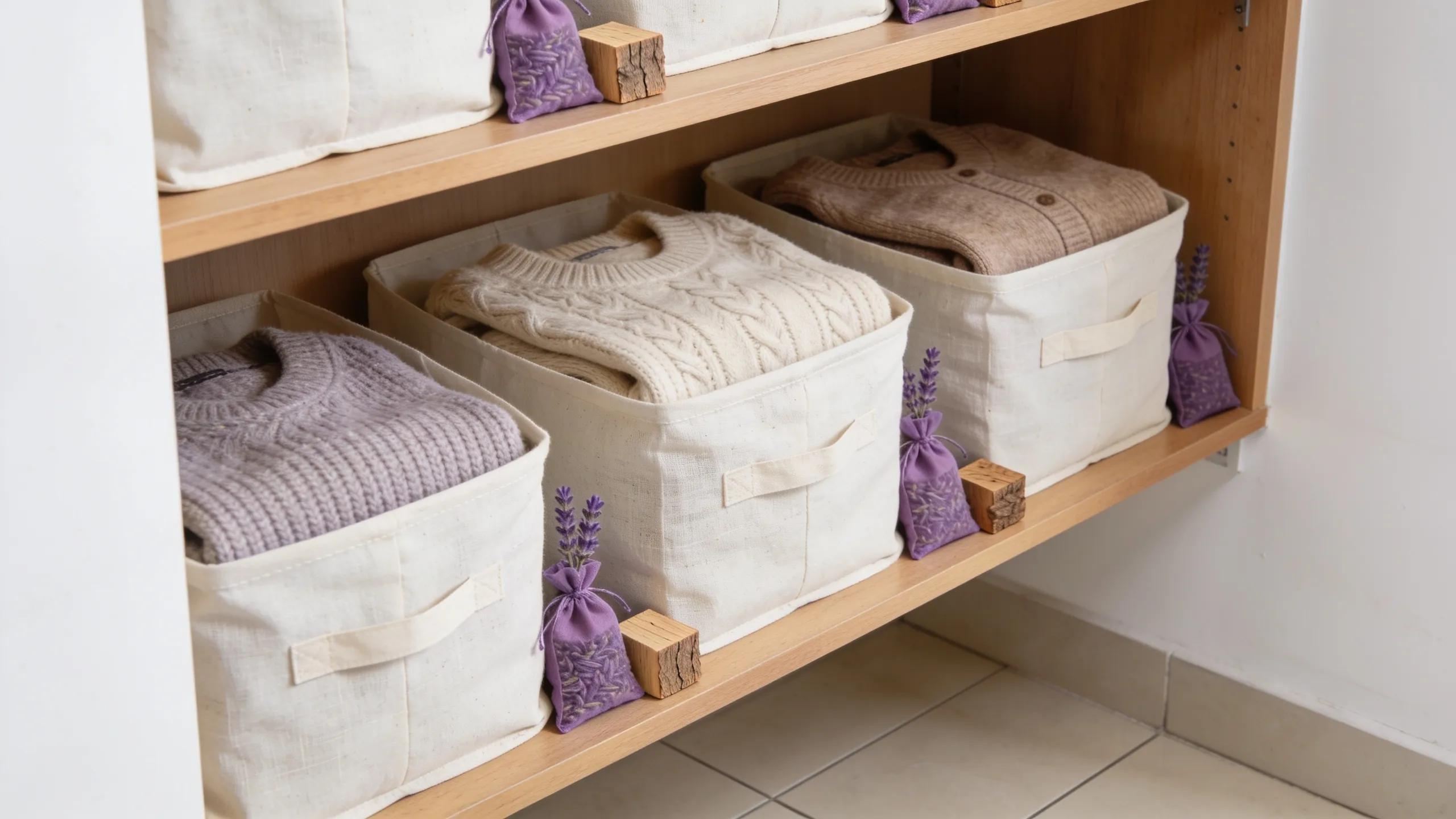
Proper storage techniques are essential for keeping wool garments safe from damage and pests. Store your sweaters in a cool, dry place, using breathable containers such as cotton bags or bins that allow air circulation. Avoid hanging wool sweaters, as this can lead to stretching and distortion. Instead, fold them neatly to preserve their shape.
Maintaining the ideal appearance of clothing requires systematic management, including proper storage and reconditioning, as highlighted by historical advice.
Maintaining Clothing Appearance: Storage and Reconditioning
The ideal appearance of clothing cannot long be maintained without a systematic management of clothing in storage and the reconditioning of garments for wear. These are the secrets of a well-controlled wardrobe.Care of Clothing, 1927
What Are Effective Moth Prevention Methods for Wool Clothing?
Moth prevention is crucial for wool clothing care. Use lavender sachets or cedar blocks in your storage areas, as both are known to deter moths naturally. Regular cleaning and inspection of your wool garments will help prevent infestations before they occur. Ensuring your clothes are clean before storage eliminates any food sources for moth larvae.
How Should You Fold and Store Wool Sweaters for Longevity?
When folding wool sweaters, first lay the garment face down and bring the sleeves towards the center. Next, fold the bottom of the sweater up towards the neckline, creating a compact piece that maximizes storage space without creating creases. Store the folded sweaters stacked to avoid stress on the fibers, which can lead to deformation over time.
How Does Layering Wool Clothing Enhance Winter Travel Comfort?
Layering wool clothing is particularly advantageous for winter travel as it allows for added warmth without bulk. Wool provides excellent insulation while effectively regulating body temperature. Utilizing layers can create a versatile wardrobe that adapts to various climates and activities during your travels.
What Are Practical Layering Techniques Using Wool Sweaters for Cold Weather?
When layering wool for cold weather, start with a moisture-wicking base layer to keep you dry. Then, add a lightweight wool sweater as a middle layer, which provides warmth without additional weight. Finally, complete the outfit with a waterproof outer layer to shield against wind and rain. This strategy not only enhances comfort but also versatility, allowing easy adjustments to suit changing temperatures.
How to Incorporate Wool Sweater Care into Seasonal Travel Wardrobe Planning?
Incorporate wool sweater care into your travel plans by selecting high-quality, versatile items that can withstand washing and drying without losing shape. Prioritize lightweight, multi-functional sweaters that require minimal care while on the go. Plan your outfits to ensure that they consist of complementary pieces, making packing more efficient and utilizing space effectively.